
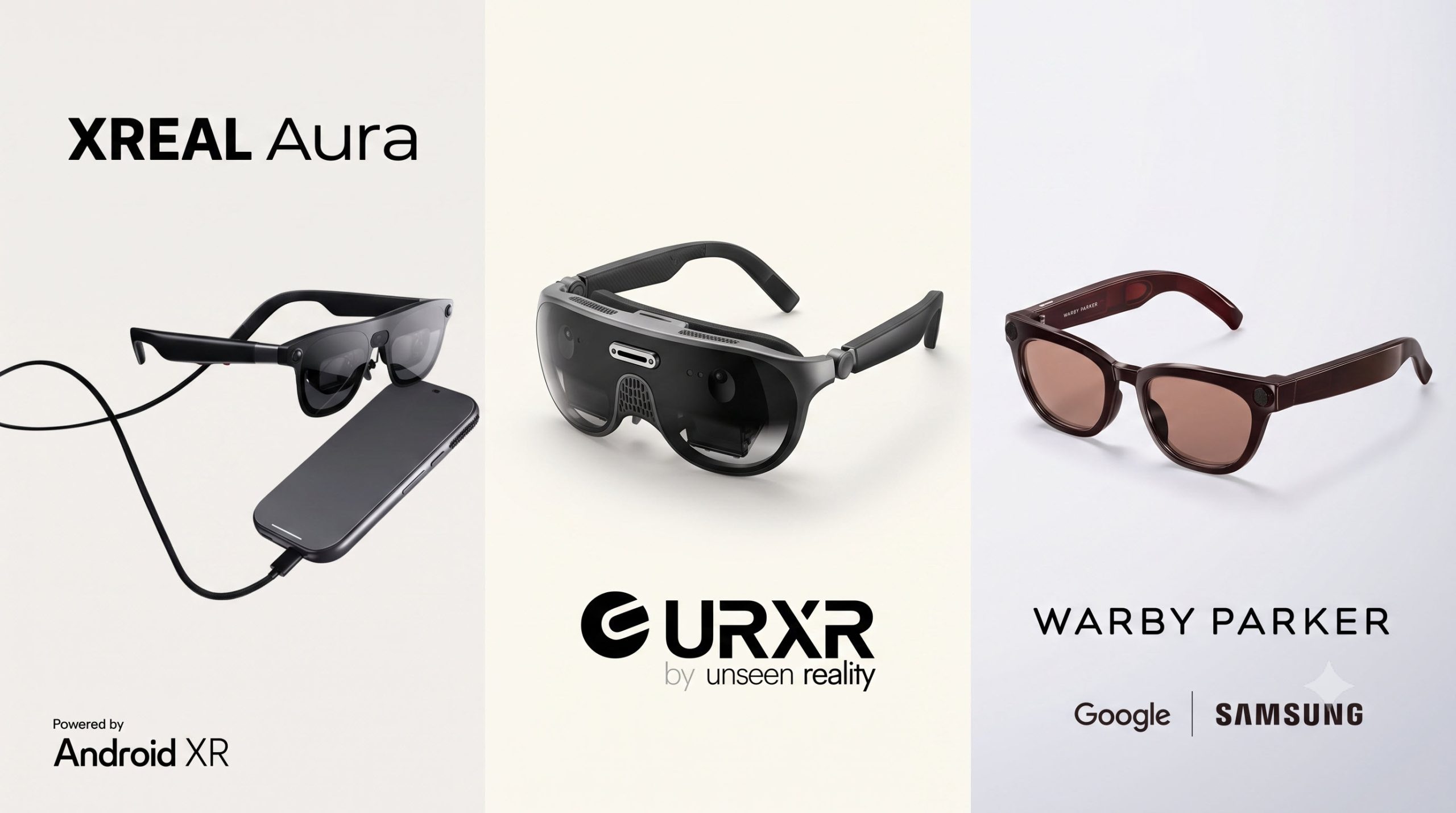
Three wildly different types of smart glasses are arriving in the next three months. I had Gemini display them side by side in the above picture so you can see how different they are.
Wait, you can’t tell them apart? Ha ha I’m a kidder! They all look just like sunglasses. You understand that’s the point, right? The developers hope their normal appearance is a big reason that smart glasses take off.
Make no mistake, though, they really are very different from each other. Each one has its own niche and each is packed with a unique collection of circuits, lenses, microphones, speakers, sensors, cameras, and batteries.
I’ll try to sort out what’s coming in a way that doesn’t make your eyes glaze over. Damn! I’ve already lost that battle, haven’t I? Okay, the fourteen of you left in the room, thanks for staying, follow along with me.
Three visions of the future
On the left: Xreal Aura, not just glasses but a brand new type of computing device: a standalone combination of glasses and a puck that can (sometimes) take the place of your phone, your laptop computer, and your iPad.
In the middle: URXR One, from a California startup company running a Kickstarter, and the polar opposite of Aura. URXR One is a wearable private screen and nothing more. URXR glasses only work when they’re connected to your laptop, tablet, or game console, showing you a giant size view of the screen - IMAX size movies, a wall-sized game, filling so much of your field of vision that it’s close to the immersiveness of a VR helmet.
On the right: Smart glasses from Warby Parker and Gentle Monster partnering with Google and Samsung. They have no display, just cameras and speakers to connect to Gemini AI and whisper smart things in your ears.
All of these glasses are scheduled to start shipping in the next 60-90 days.
I’m not going to go through long lists of tech specs, but maybe I can give you enough information to make you curious about one or the other. You might want a pair. They’re not just for nerds any more. Who am I kidding? Of course they’re for nerds, but we’re all nerds now. You spend hours every day using the powerful computer in your pocket and figuring out how AI fits in your life – go ahead, try to convince me you haven’t joined me on the Nerd Side of Life.
You’ll have to look up the prices. Let’s inflate the balloon of hope before you go searching for the pin.
Xreal Aura
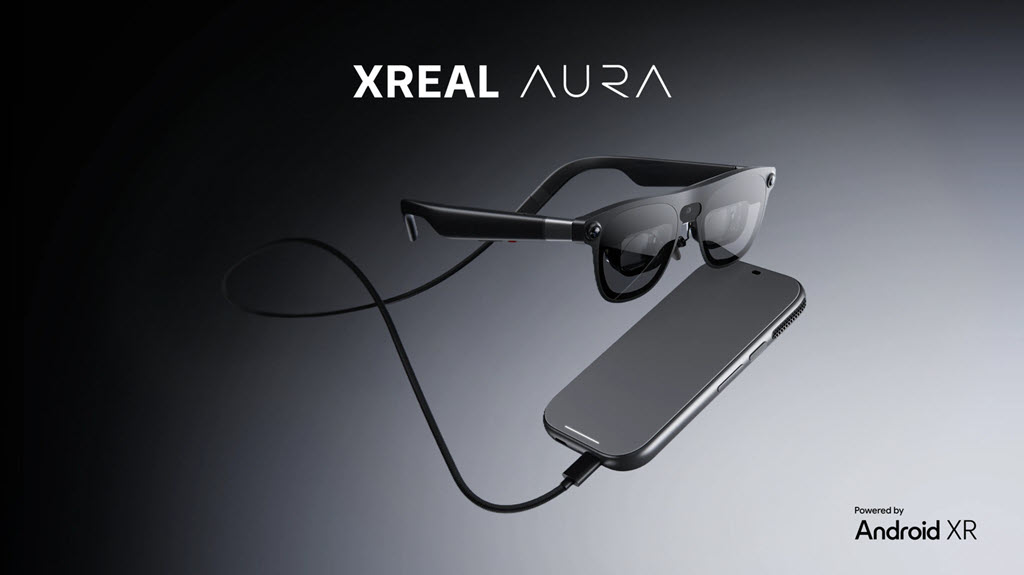
Xreal Aura is a brand new device in a brand new category. Nothing quite like it has existed before.
Google, Xreal, and Qualcomm are trying to bring everything together in one set of lightweight glasses: Android apps, hand-tracking cameras, Gemini AI, large screens for watching movies, small screens to provide Google Maps directions, live translation, web browsing, and more, all powered by Google’s new Android XR operating system designed for augmented reality.
The Xreal Aura glasses have a cable running to a device about the size of your phone that you hold in your hand or slip in your pocket. There’s no display on the puck; you use it for clicks and cursor movement, and that’s where most of the computing happens.
When you put on the Xreal Aura glasses, you see the real world through clear lenses, PLUS anything you might see on an Android tablet. Hang on, you’ve never seen an Android tablet, have you? Think of an iPad but with all Google stuff and no Apple stuff.
The icons for the apps are floating in the air in front of you. When you open one of them, the app can be as big or small as you want. If you’re sitting down to watch a movie, the lenses will dim and the screen appears to be theater size. If you’re walking, the Google Maps walking directions can be a small screen in one corner that doesn’t block your vision. If you’re doing work, you can have multiple virtual monitors scattered around, moving and resizing them with hand gestures. You can talk to Gemini and ask it about what you’re seeing. You can browse the web, handle your email, play Android games, open Google Docs, and watch YouTube videos.
Unlike the other glasses, Xreal Aura can be used both while you’re sitting in one place and while you’re walking around. If you have them on while you’re moving, it would be up to you to make smart decisions and not watch YouTube videos in the glasses while you’re landing a plane or operating a wood chipper.
Xreal Aura will be advertised to consumers but Google will be making its hardest pitches at developers to buy it and create smart apps that don’t exist yet.
I can’t wait but I’m like that. Xreal Aura is expected to ship in September/October.
URXR One
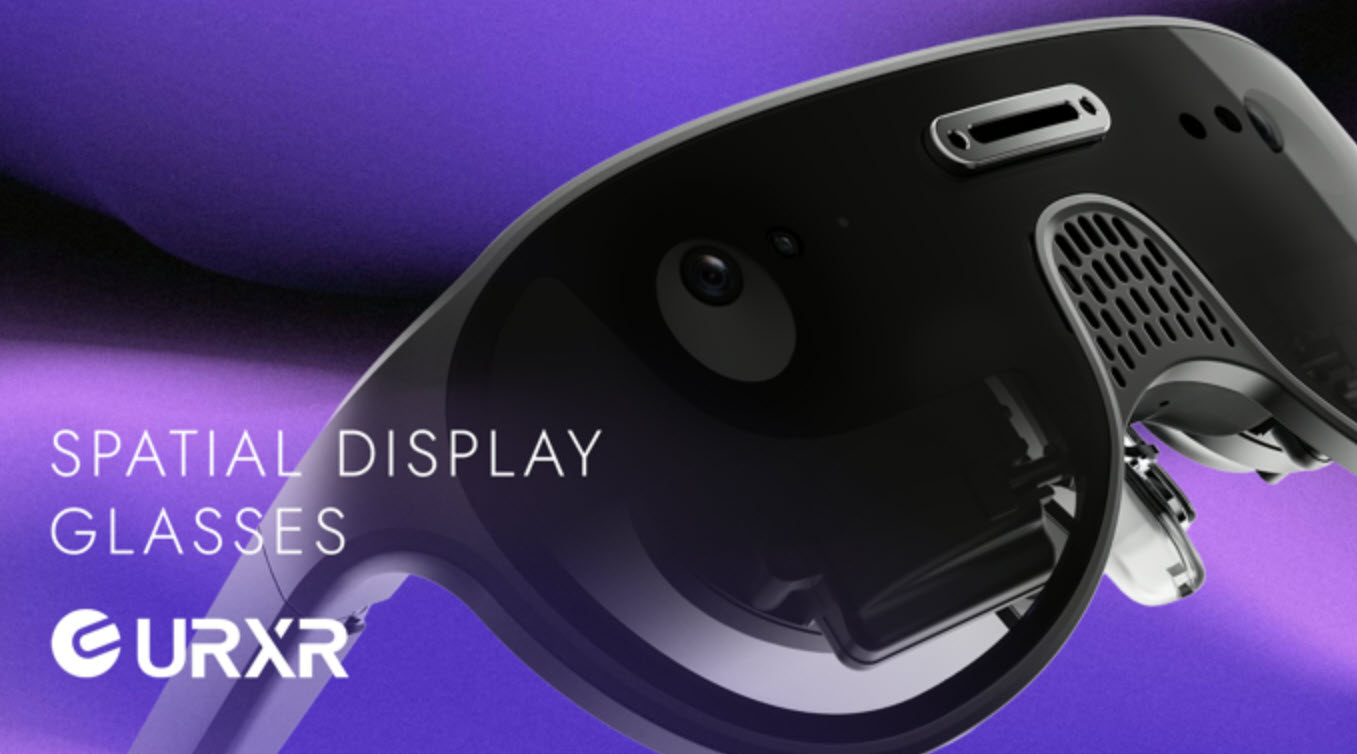
Unseen Reality is a Silicon Valley startup promising glasses that are the size of sunglasses but that deliver an immersive experience that comes close to virtual reality headsets like Quest 3 and Apple Vision Pro.
The URXR One glasses don’t do anything by themselves; a cable plugs into laptops, tablets, and gaming handhelds. Screens are fixed in place so they do not move when you move your head, and can even be anchored on the wall of a room so they are always there even if you move around.
The company promises a very high resolution display and huge field of vision. The lenses aren’t see-through but high-resolution cameras will display the real world with the tiniest of lags.
Healthy skepticism is called for with a Kickstarter campaign for a product that hasn’t shipped. The glasses might run hot or their fan might be noisy; the camera view of the real world might have just enough lag or jitter to make you nauseous; they might ship in September or they might not ship until 2028, or never. Watch for reviews when they start shipping.
There is one curious omission that stands out: URXR One glasses do not have any speakers. You will have to put in earbuds or slip on headphones to watch a movie or play a game or do, well, almost anything. Presumably there’s so much other technology that they just didn’t have room for speakers – but that’s a tough compromise.
The company showed off impressive sample units at a trade show a few months ago. The company says the first glasses will ship in September/October. It’s exciting to think about the immersiveness of VR in a pair of glasses. I hope they succeed.
Warby Parker and Gentle Monster
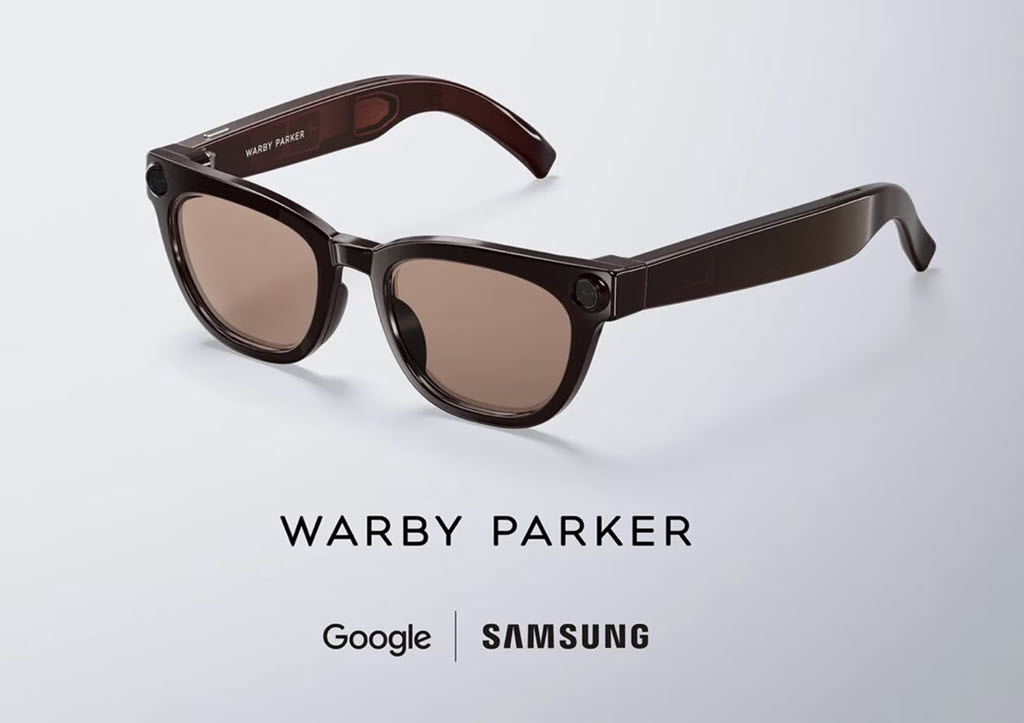
Google and Samsung have developed AI-companion glasses. They look like completely ordinary glasses but they have cameras, microphones, and speakers, and they communicate with Gemini AI to do smart things: answer questions about what you’re seeing, translate languages, identify landmarks, or tell you where you left your car key. They have clear lenses with no display of any kind; their only trick is to whisper useful information into your ears.
In other words, they are exactly like Meta’s AI glasses except Meta’s AI is utterly outclassed by Gemini, and Meta sucks and maybe you think Google sucks less.
Warby Parker is the well-known eyewear manufacturer. Gentle Monster is a high-end South Korean luxury eyewear brand. Each will have a couple of different frame designs.
Meta has been very successful with its AI glasses. We’re overdue for an alternative. These glasses should also be shipping soon.
Three different types of glasses, three different sets of ambitions. One turns the world in front of you into a computer desktop; one puts an IMAX sized screen in your backpack; the third wants to be an AI companion whispering in your ear. We’ve spent twenty years staring down at our phones. Smart glasses are betting we’re ready to look up again.